

What are some signs that your business needs custom software instead of off-the-shelf solutions?
- Heavy reliance on manual workarounds
- Process distortion and mismatched workflows
- Data disconnects and system blindspots
- Skyrocketing subscription and scaling costs
- Compliance, security, and competitive bottlenecks
Overview
- Learn the key signs your business needs custom software instead of off-the-shelf solutions, from manual workarounds and disconnected systems to rising subscription costs and compliance challenges.
- Discover how tailored software, system integration, and customizable enterprise platforms can help Philippine businesses streamline operations, improve scalability, and support sustainable long-term growth.
Revenue is growing, but operations are slowing down. When reports take days to compile, and teams spend more time managing spreadsheets than serving customers, your tools have become growth bottlenecks.
For many Philippine SMEs and enterprises, commercial off-the-shelf (COTS) software eventually creates costly operational friction, manual workarounds, and lost productivity.
Recognizing the signs your business needs custom software instead of off-the-shelf solutions can help you determine when it’s time to invest in technology that grows with your business. Below are five indicators that your current software may no longer meet your operational needs—and why a custom solution could be the better long-term choice.
Heavy Reliance on Manual Workarounds
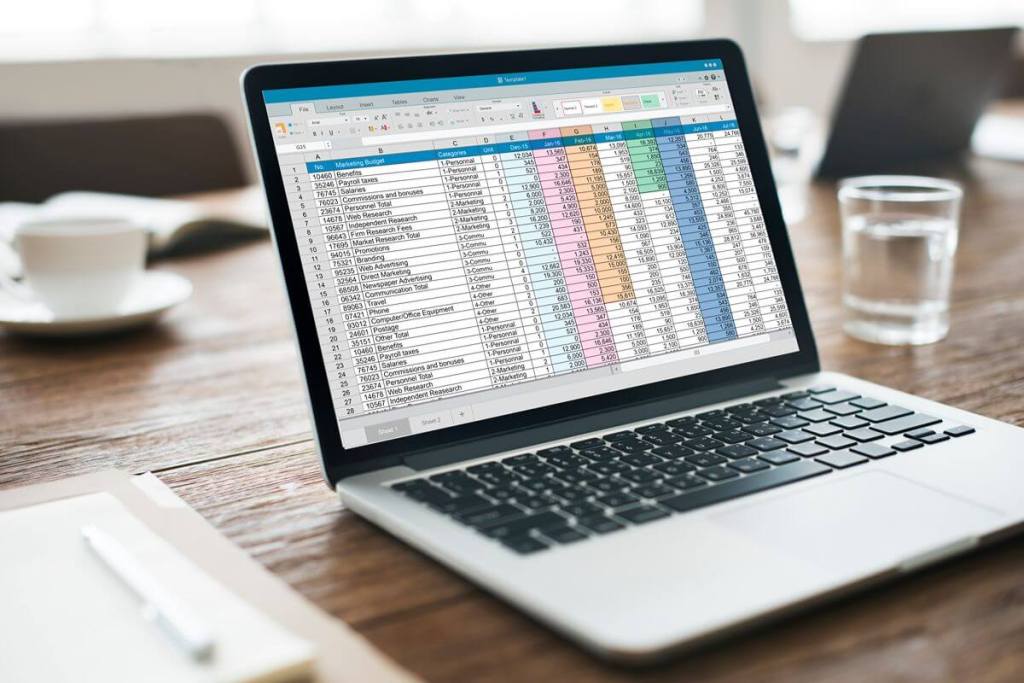
When core operations—like multi-branch inventory, delivery dispatch, or customer management—depend on a master spreadsheet, your business has outgrown its tools.
As Philippine enterprises expand across branches and field teams, employees end up re-entering the same data across disconnected platforms. These manual workarounds waste critical hours and introduce costly errors, leading to stock discrepancies, billing mistakes, delayed deliveries, and broken customer records.
While individual automation tools and standalone solutions can address immediate needs, they may become more difficult to manage as business processes grow in complexity. A custom software solution can connect your existing systems into a unified automated workflow, helping sync customer records, orders, and inventory in real time. Reducing repetitive data entry allows your team to spend less time managing disconnected processes and more time serving customers and driving business growth.
Process Distortion and Mismatched Workflows
Off-the-shelf software forces your business to adapt to its rigid templates rather than supporting how you actually operate.
In many Philippine companies, this disconnect pushes daily operations outside the system—leaving teams to track approvals in messaging apps, store customer data in spreadsheets, and chase updates across scattered channels. As your organization scales, these makeshift workarounds create severe friction and communication breakdowns.
Custom software eliminates this bottleneck by conforming entirely to your proven processes. Designing features around your exact approval steps, sales pipelines, and reporting needs allows your team to work faster while protecting the unique operational workflows that give your business a competitive edge.
Data Disconnects and System Blindspots
When preparing a management report requires exporting data from multiple systems and manually merging spreadsheets, your business is operating on fragmented information.
This friction is common among organizations running separate platforms for sales, accounting, inventory, and customer service. Without real-time integration, executives often wait days for operational reports that are already outdated by the time they reach the boardroom, forcing leadership to make critical decisions using delayed or incomplete metrics.
A modern, tailored platform resolves this by bridging your existing business applications into a single source of truth. Unifying these disparate data streams gives decision-makers real-time visibility into sales performance, inventory levels, and financial metrics through centralized dashboards—enabling faster, accurate, and confident strategic choices.
Skyrocketing Subscription and Scaling Costs
While subscription-based software provides an affordable entry point, scaling it quickly becomes cost-prohibitive. As operations expand across new employees, branches, or features, recurring per-user fees rapidly consume operational budgets—often forcing companies to pay for unused licenses.
For growing Philippine enterprises, locked-up revenue is better redirected toward local talent and market expansion rather than perpetual software subscriptions.
Investing in a proprietary solution shifts this financial dynamic by trading compounding user fees for predictable long-term value. Owning a tailored platform designed for your specific operational scale removes per-seat penalties, allowing you to onboard new employees, branches, or vendors without inflating software overhead.
Compliance, Security, and Competitive Bottlenecks
Generic platforms create two distinct operational risks: regulatory failure and market commoditization. Off-the-shelf options rarely satisfy strict standards like National Privacy Commission (NPC) mandates or audit trails, leaving data-sensitive industries exposed. Relying on identical tools as competitors also erodes unique operational advantages, limiting innovation and customer experience.
Purpose-built architecture eliminates these limitations by embedding exact compliance rules and governance directly into your workflows. Control over security and technical design ensures strict regulatory oversight while providing the agility to outmaneuver competitors.
Signs Your Business Has Outgrown Off-the-Shelf Software
If several of these challenges sound familiar, it may be time to evaluate whether your current software can continue supporting your growth. The table below summarizes the most common warning signs and the type of solution that can help address them.
| If your business… | It likely means… | A custom solution can… |
|---|---|---|
| Relies on spreadsheets and manual data entry | Your current software can’t keep up. | Automate workflows and connect systems. |
| Works around software limitations | Your workflows have outgrown generic tools. | Adapt software to your business processes. |
| Struggles to consolidate reports | Your business data is siloed. | Centralize data and provide real-time insights. |
| Pays rising software subscription fees | Scaling costs are becoming unsustainable. | Deliver more predictable long-term costs. |
| Faces compliance or security challenges | Standard software no longer meets your needs. | Strengthen security, governance, and compliance. |
How Devtac Helps Businesses Move Beyond Off-the-Shelf Software

At Devtac, we’ve seen organizations reach this stage as they expand operations, add branches, or integrate more business functions. The right approach depends on your goals, existing systems, requirements, and budget. Devtac offers three practical pathways to help businesses modernize their operations.
The Hybrid Approach (Tailored Platforms)
Not every business needs a fully custom-built system. For organizations that want to modernize quickly, Devtac customizes enterprise platforms such as Zoho CRM and Odoo ERP while continuing to support legacy implementations of SugarCRM and SuiteCRM for existing customers.
As a Zoho Premium Partner, Devtac develops custom modules, automations, reports, and integrations that extend the capabilities of these platforms. Whether you need a more tailored CRM or a centralized ERP solution through Odoo, this approach delivers greater flexibility without the cost and timeline of building software from scratch.
The Connected Ecosystem
If your current software already works well individually, replacing everything may not be necessary. Instead, Devtac connects your CRM, ERP, accounting, inventory, HR, and other business applications through custom API integrations and middleware.
This creates a unified ecosystem where data flows automatically between systems, eliminating duplicate encoding, reducing errors, and providing real-time visibility across the business. By integrating rather than replacing existing platforms, organizations can improve efficiency while protecting their previous technology investments.
Pure Custom (Ground-Up Build)
When off-the-shelf platforms can no longer support your long-term vision, Devtac develops custom web applications designed specifically for your business. Every workflow, feature, and integration is built around your operational requirements, giving you complete control over your technology.
Using modern frameworks like Laravel and React, along with cloud infrastructure such as Amazon Web Services (AWS), Devtac creates scalable solutions that support business growth, strengthen security, and reduce dependence on recurring software licensing.
Key Takeaway
Continuing to rely on software that no longer fits your business can lead to inefficiencies, rising costs, and missed opportunities. Investing in the right solution helps streamline operations and support long-term growth.
As a technology partner and solution advisor, Devtac helps businesses determine the right approach for their needs, whether through platform customization, system integration, or custom development. Book a consultation to discuss the solution that best fits your business.